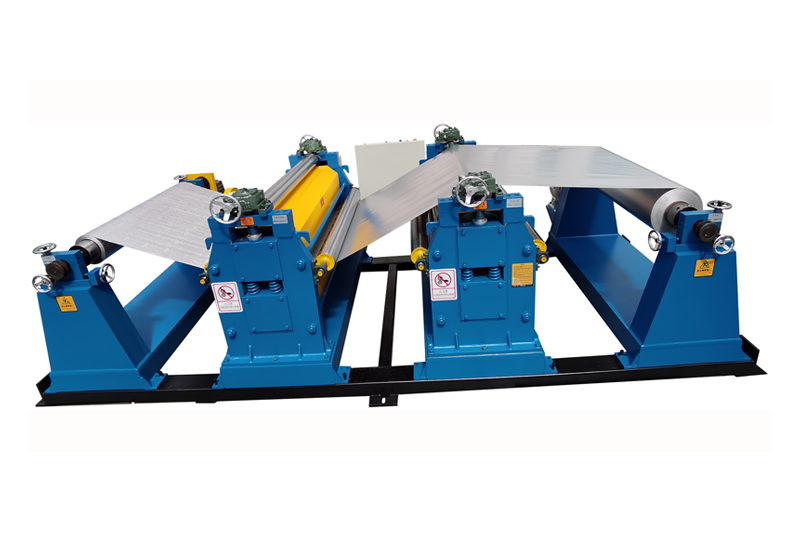


How Are Embossing Rollers Made?
Published: 2019-02-03 09:26:03
1. Material Preparation: Roller body uses seamless steel pipe, shaft ends use 45# round steel with end flanges.
2. Turning: Turn mating surfaces of roller body, end plates, shaft ends, and other components.
3. Welding: (Per drawings, if the roller has internal oil or water passages, internal pipe welding must be done first.)
Roller inner pipe welding: Align coaxiality of both end shafts with inner sleeve, weld only inner end plates on shaft ends.
Insert inner sleeve into roller body, weld mating joints between inner end plates and roller body.
Mount outer end plates on both shaft ends, weld joining surfaces between outer plates, shafts, and roller body.
4. Anneal roller blank to eliminate internal stresses.
5. Turn one shaft end face flat and drill standard center hole.
6. Turning: Rough and finish turn all roller body sections to drawing dimensions, then set up steady rest, turn end faces, and drill to size.
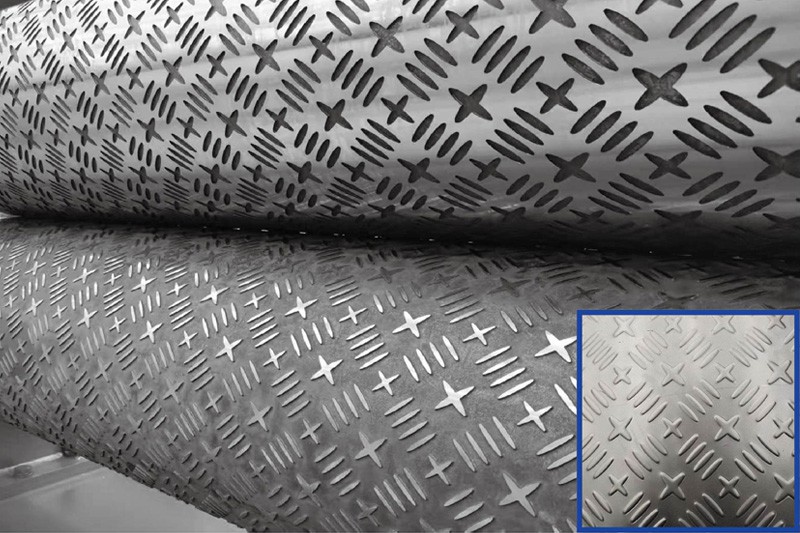
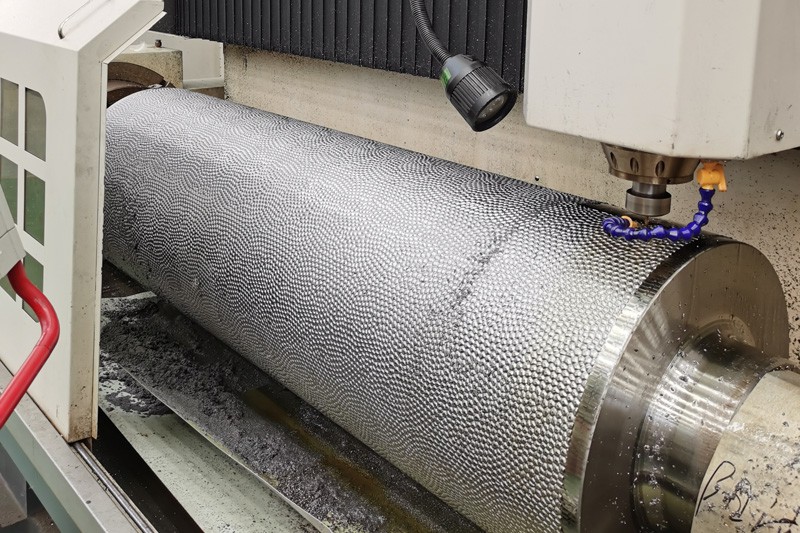
7. Machine patterns on the roller surface per client pattern requirements. This is a crucial step in embossing roller manufacturing. Requires experienced embossing roller craftsmen to develop the production process based on client pattern requirements. During production, the engraving specialist must be meticulous and precise, producing patterns that are clear, richly layered, and strongly three-dimensional.
8. After pattern completion, apply hard chrome plating or spray other materials on the roller surface (depending on client roller application).
9. Correct the static balance of the steel roller.