
Applications of Embossed Aluminum Sheets in Automobiles
Published: 2024-10-29 09:46:22
Automotive thermal insulation materials usually deliver sound insulation performance simultaneously. When selecting materials for heat shield parts, engineers cannot make choices merely according to thermal conductivity ranking in light of service characteristics. Industrial pure aluminum plates are widely adopted for automotive heat shields in vehicle engineering. The core advantages of industrial pure aluminum are as follows: lightweight property with a density of 2.7×10³ kg/m³, nearly one-third that of steel; outstanding thermal conductivity facilitating heat dissipation and powerful thermal radiation shielding capacity; favorable plasticity (slightly inferior to conventional automotive stamping steel), which makes it easy to process into plates and foils; superior atmospheric corrosion resistance thanks to the formation of compact aluminum oxide film, alongside reliable heat resistance.
Typical structural types of automotive body heat shields are listed below:
(1) Conventional single-layer aluminum plate: Regular thickness ranges from 0.5 mm to 0.8 mm. Applied for large-sized components with complex shapes where insulation requirements are moderate. This option boasts cost advantages and convenient machining.
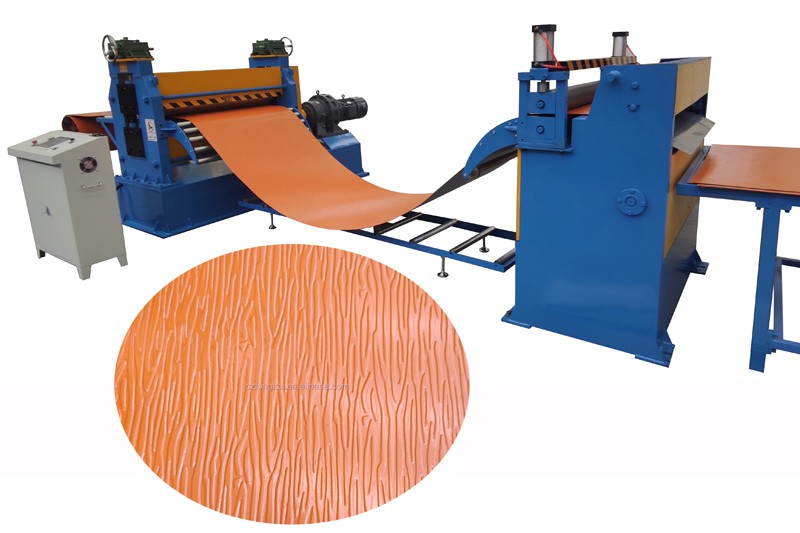
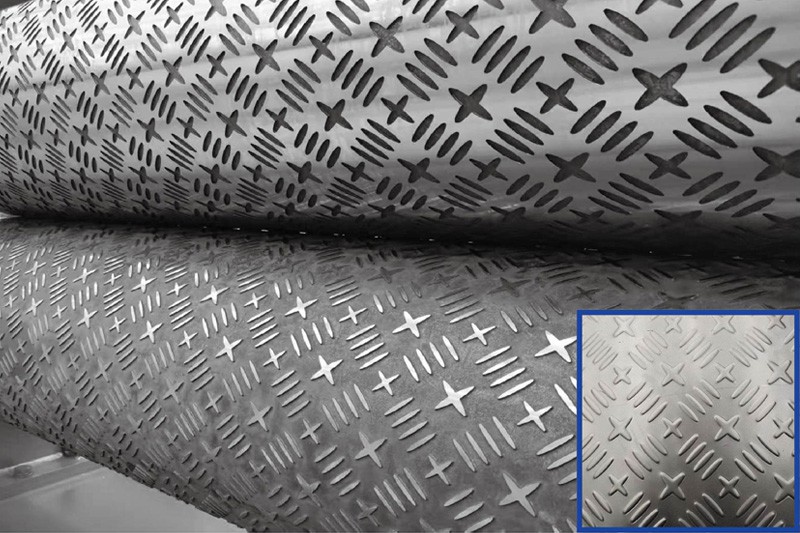
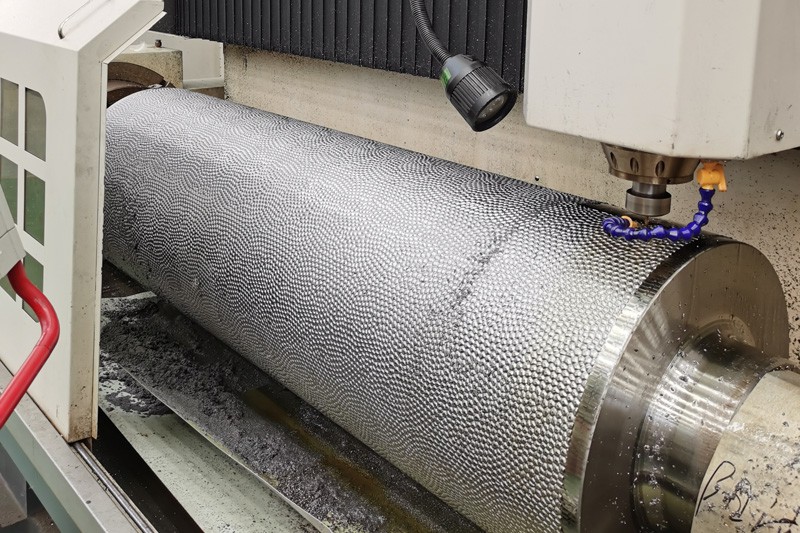
(2) Single-layer embossed / dimpled aluminum plate: Standard thickness 0.5 mm–0.6 mm with specified dimple density. Cold forming during dimpling greatly boosts mechanical strength and dimensional stability. Dimpled plates expand surface area to strengthen reflection of heat and sound waves and optimize air circulation, achieving better insulation performance than plain single-layer aluminum plates.
(3) Double-layer hollow dimpled aluminum plate: Two dimpled aluminum plates assembled with an air interlayer in between. Plate thickness ranges from 0.2 mm to 0.6 mm with customized dimple density. Such structure greatly upgrades thermal and acoustic insulation with barely added weight, yet it demands higher processing precision.
(4) Multi-layer laminated aluminum structure: Composed of one aluminum substrate laminated with multiple layers of dimpled aluminum foil. Air gaps between foil dimples offer thermal insulation, and aluminum layers reflect thermal radiation efficiently to realize premium insulation. Certain car models add uniformly distributed tiny holes on aluminum panels to optimize noise reduction.
(5) Multi-layer composite panels: Most configurations consist of double aluminum panels with hollow cavities or interlayers filled with glass wool, asbestos, aluminum foil and other substances. Some structures bond aluminum sheets onto fiber materials to realize reflective heat insulation and noise reduction at the same time. For instance, one heat shielding component of Passat B5 adopts aluminum plates combined with polymer composite materials. Nevertheless, this technology is not mature domestically, so its application on other vehicle models remains limited. For automotive sandwich heat insulation panels, glass wool made of lightweight, sound-absorbing, low-thermal-conductivity glass fiber is generally chosen as the interlayer filling material.
(6) Double-side aluminized steel plate: Parts manufactured with double-sided aluminized steel feature stable dimension and decent heat & sound insulation, while their corrosion resistance is weaker than aluminum plates. Higher specific gravity makes it unfavorable for vehicle weight reduction.
Overall, composite multi-layer panels cost more but provide optimal insulation; double-layer hollow dimpled plates belong to the mid-range option; double-sided aluminized steel has insulation performance between the above two types. Single-layer dimpled plates expand heat dissipation and reflective area, performing comprehensively better than ordinary flat single-layer aluminum plates.